Two-Tone Kitchen Cabinets: Trend or Timeless Design Choice?

Kitchen design trends come and go, but some ideas stay relevant because they continue to offer both style and function year after year. One design choice homeowners continue to ask about is two-tone kitchen cabinets. By combining two cabinet colors or finishes in the same space, this approach adds contrast, depth, and personality in a way that can completely transform a kitchen.

At Nix Cabinetry & Tile, we help homeowners design kitchens that feel current today while still looking beautiful for years to come. Because cabinetry is one of the largest visual investments in any kitchen remodel, choosing whether to go with one cabinet color or two is an important decision that deserves careful thought.

What Are Two-Tone Kitchen Cabinets?

Two-tone kitchen cabinets simply mean using two different finishes, colors, or materials within the same kitchen design. This can be done in several ways:

  • Upper cabinets in one color and lower cabinets in another
  • Island cabinetry in a contrasting color
  • Perimeter cabinets in one finish with a statement section in another
  • Mixing painted cabinets with natural wood finishes

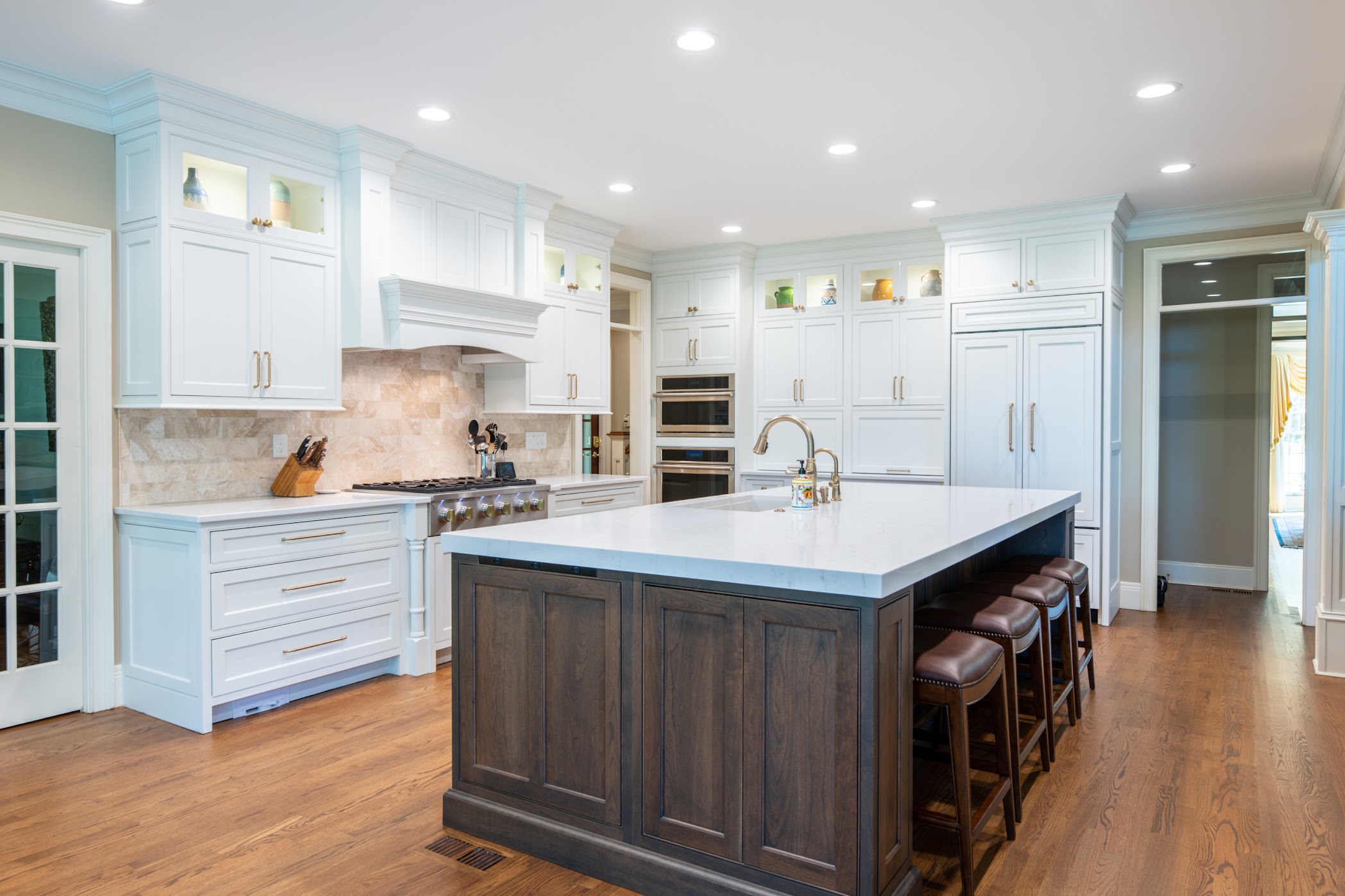
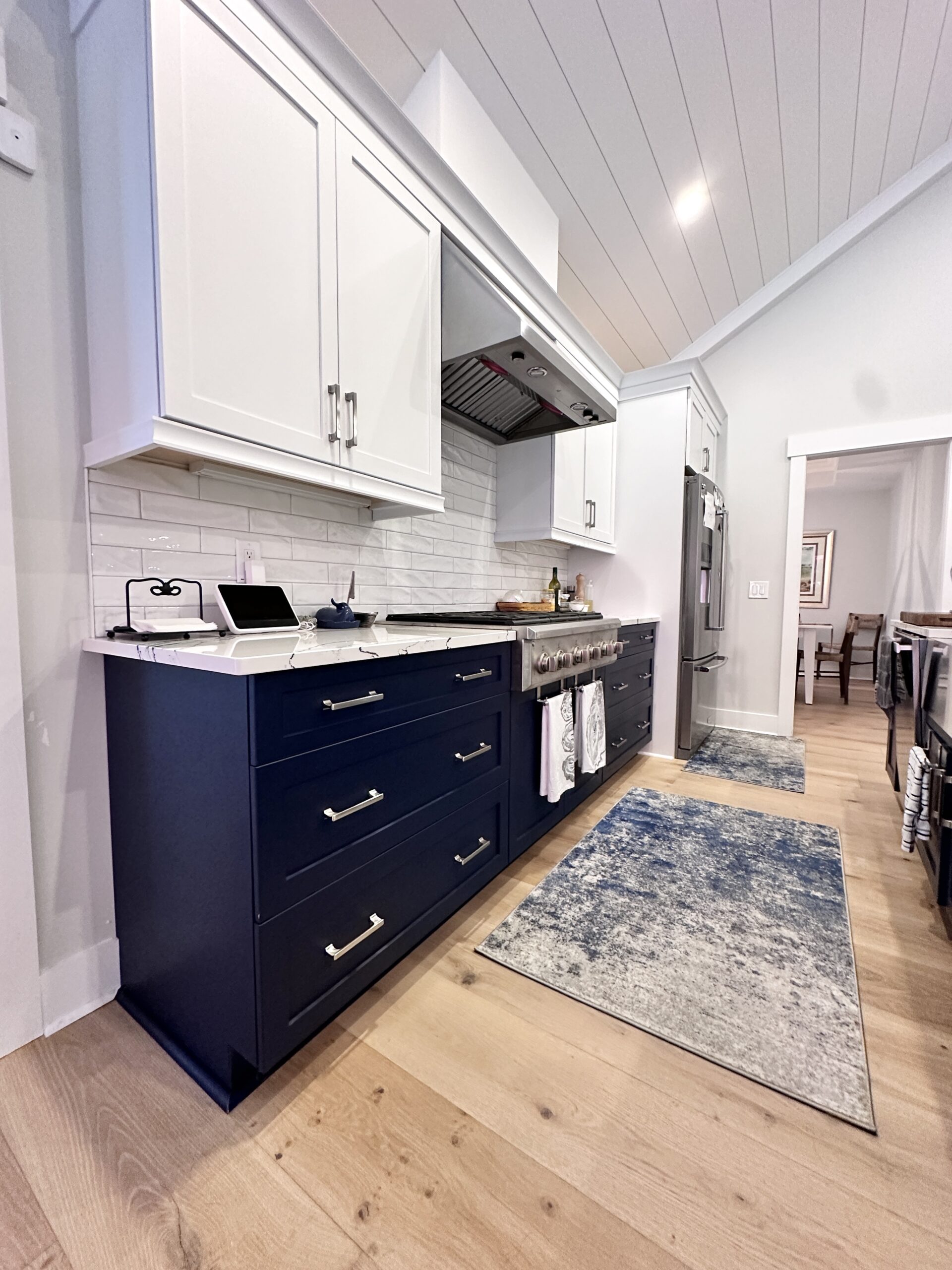
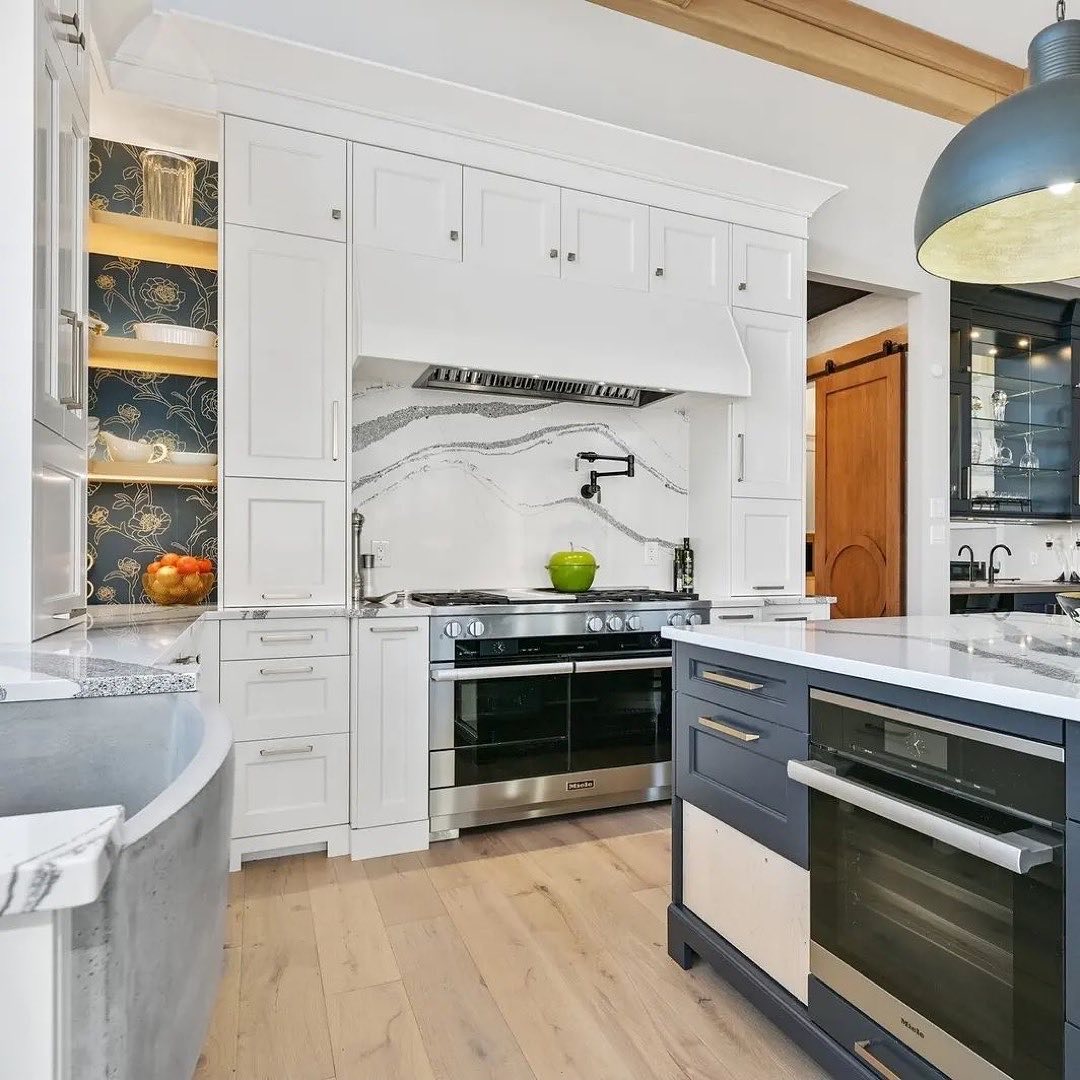
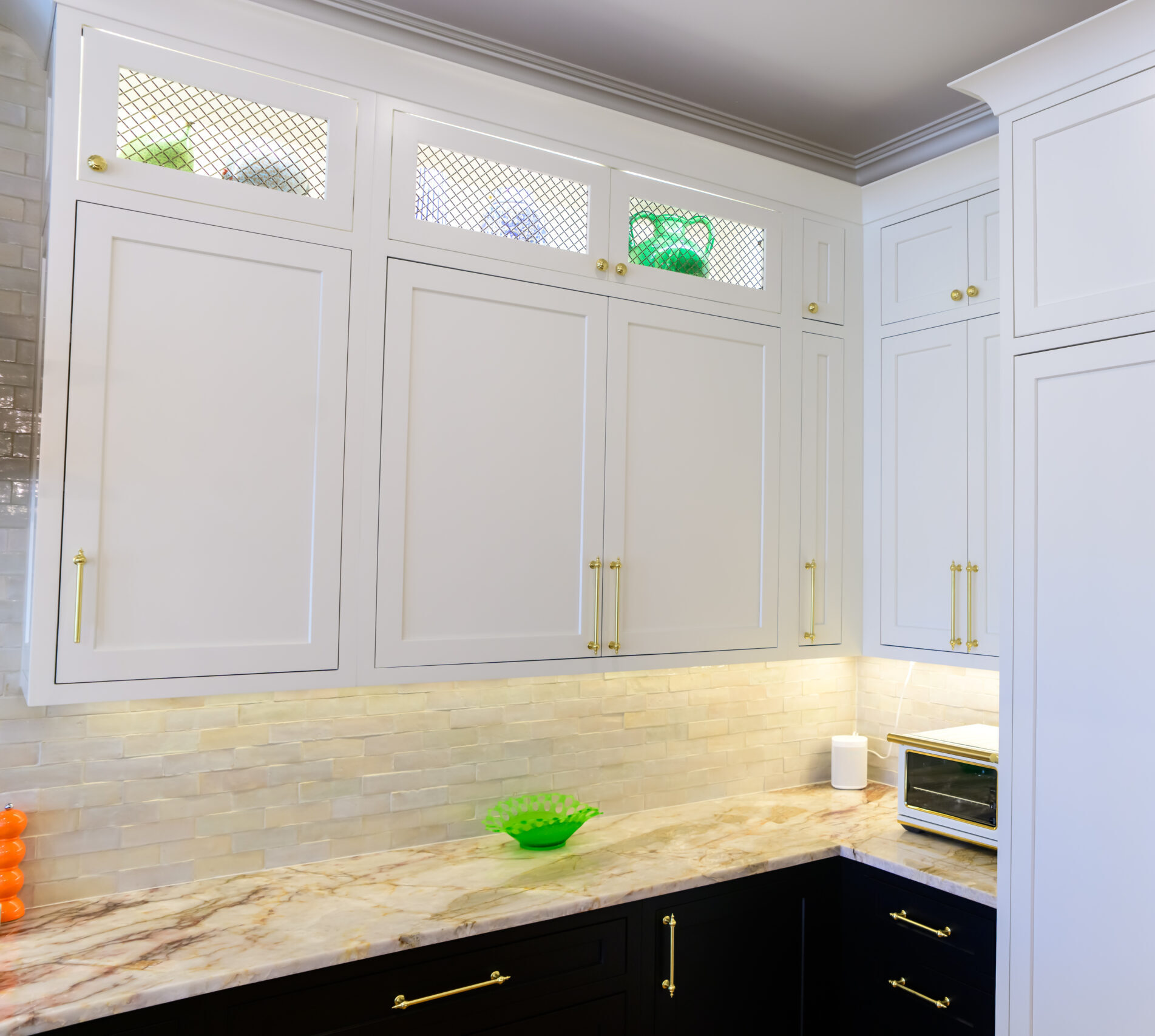
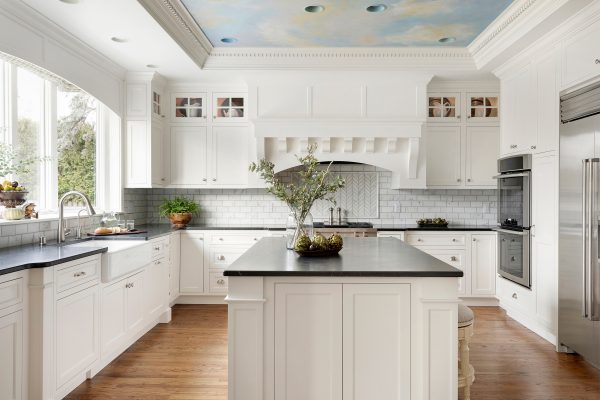
A common example is pairing white upper cabinets with a darker lower cabinet color such as navy, charcoal, or deep green. Another popular option is using natural wood tones on an island while surrounding cabinetry remains painted.

Why Two-Tone Cabinets Became So Popular

Two-tone kitchens gained popularity because homeowners wanted kitchens that felt more custom and less uniform. Rather than having every cabinet surface blend together, contrasting cabinetry creates visual interest and helps define different areas of the room.

This design approach also works especially well in larger kitchens where a single cabinet color can sometimes feel too repetitive. Adding contrast helps break up the space and create a more layered, intentional design.

In many homes, the kitchen island naturally becomes a focal point, so giving it a different finish allows it to stand out without overwhelming the overall design.

Are Two-Tone Cabinets Just a Trend?

While two-tone cabinetry has certainly become more popular in recent years, it has moved beyond being a short-lived trend. The reason is simple: when done thoughtfully, it follows design principles that have always worked well—balance, contrast, and proportion.

What makes two-tone cabinetry timeless is choosing combinations that feel classic rather than overly trend-driven. Soft neutrals, natural wood, muted blues, warm grays, and rich earth tones tend to age well because they complement many styles and materials.

For example, a white kitchen with a navy island still feels elegant years later because both colors are grounded and versatile.

When Two-Tone Cabinets Feel Timeless

Two-tone cabinetry tends to feel timeless when:

  • The contrast is subtle and balanced
  • Colors coordinate with flooring, countertops, and tile
  • The second tone highlights architectural features rather than competing with them
  • The design fits the overall style of the home

Natural wood paired with painted cabinetry is especially enduring because wood introduces warmth that never feels dated.

When It Can Feel Too Trend-Driven

Two-tone kitchens can feel temporary when bold color choices are selected only because they are popular at the moment rather than because they fit the home long-term.

Highly saturated colors or unusual combinations may eventually feel limiting if homeowners want flexibility later when updating paint, hardware, or décor.

That is why working with an experienced showroom design team matters. A cabinet finish should not only look beautiful today but also continue to work with future updates.

Why Two-Tone Kitchens Work So Well in Modern Homes

Many homeowners today want kitchens that feel inviting rather than overly formal. Two-tone cabinets help achieve that by softening large cabinet runs and creating a more lived-in, layered appearance.

They also pair beautifully with many current materials, including:

  • Quartz countertops
  • Large-format backsplash tile
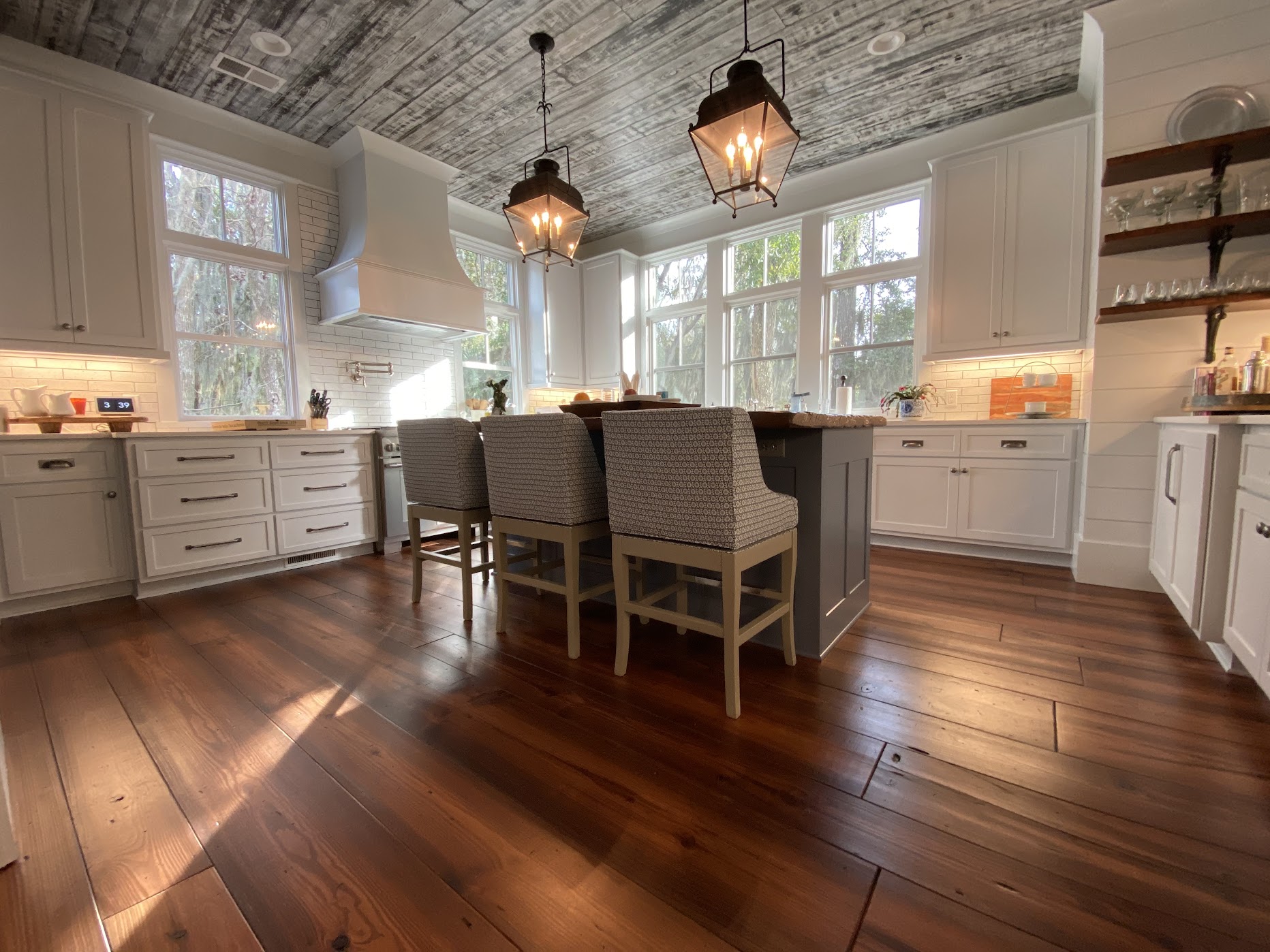
  • Warm wood flooring
  • Mixed metal hardware

Because today’s kitchens often connect openly to living areas, two-tone cabinetry can also help kitchens blend more naturally with nearby spaces.

Designing Two-Tone Cabinets the Right Way

At Nix Cabinetry & Tile, one of the biggest advantages homeowners appreciate is seeing cabinet colors, flooring, tile, and countertops together in one showroom before making final decisions.

Two-tone cabinetry only works when every surrounding finish supports the design. The right flooring tone, backsplash selection, and countertop pattern all influence whether the final result feels cohesive.

Our experienced showroom team helps clients compare materials side by side, while our in-house installation team ensures every cabinet line, reveal, and alignment meets the Nix standard from start to finish.

Trend or Timeless? The Answer Is Both

Two-tone kitchen cabinets began as a trend, but they have proven they can also be timeless when designed carefully. The key is choosing combinations that feel balanced, practical, and connected to the style of your home rather than chasing short-term popularity.

When planned well, two-tone cabinetry offers the perfect mix of personality and long-term appeal.

If you are considering a kitchen remodel and want to explore cabinet combinations in person, visit Nix Cabinetry & Tile to see finishes, materials, and full kitchen design options all in one place.

Carpet vs. Hard Flooring: What’s Better for Resale?

At Nix Cabinetry & Tile, flooring decisions are never just about selecting a color or material. Because we offer full-service flooring installation, our team helps homeowners evaluate every part of the process, from product selection in the showroom to professional installation completed by our trained in-house team. That means when clients ask whether carpet or hard flooring is better for resale, we look at both long-term performance and how buyers are likely to respond to the finished result.

When homeowners begin updating their interiors, one of the most common questions that comes up is simple: Should we keep carpet, or switch to hard flooring if resale value matters?

The answer depends on where the flooring is being installed, the condition of the home, and the type of buyer the property is likely to attract. However, in today’s market, hard flooring consistently offers broader appeal, easier maintenance, and stronger long-term value in most primary living spaces.

At Nix Cabinetry & Tile, we help homeowners throughout the Lowcountry weigh these decisions carefully because flooring impacts not only daily comfort, but also how buyers perceive the entire home the moment they walk in.

Why Hard Flooring Usually Appeals More to Buyers

Hard flooring has become the preferred choice in many homes because it creates a cleaner, more updated appearance and tends to make spaces feel larger and brighter.

Interior Design professionals often note that flooring sets the tone for how modern or dated a home feels before buyers even notice furniture or paint colors.

Advantages hard flooring offers for resale:

  • Easier to clean and maintain
  • Better durability for pets, children, and daily traffic
  • Less likely to trap allergens or odors
  • More visually consistent from room to room
  • Often viewed as a longer-lasting investment

Buyers today frequently associate hardwood, engineered hardwood, and luxury vinyl plank with homes that require less immediate updating.

Which Hard Flooring Options Perform Best for Resale

At Nix, we guide homeowners toward flooring choices that balance appearance with performance, especially in the Lowcountry where humidity, sand, and daily wear all matter.

Hardwood Flooring

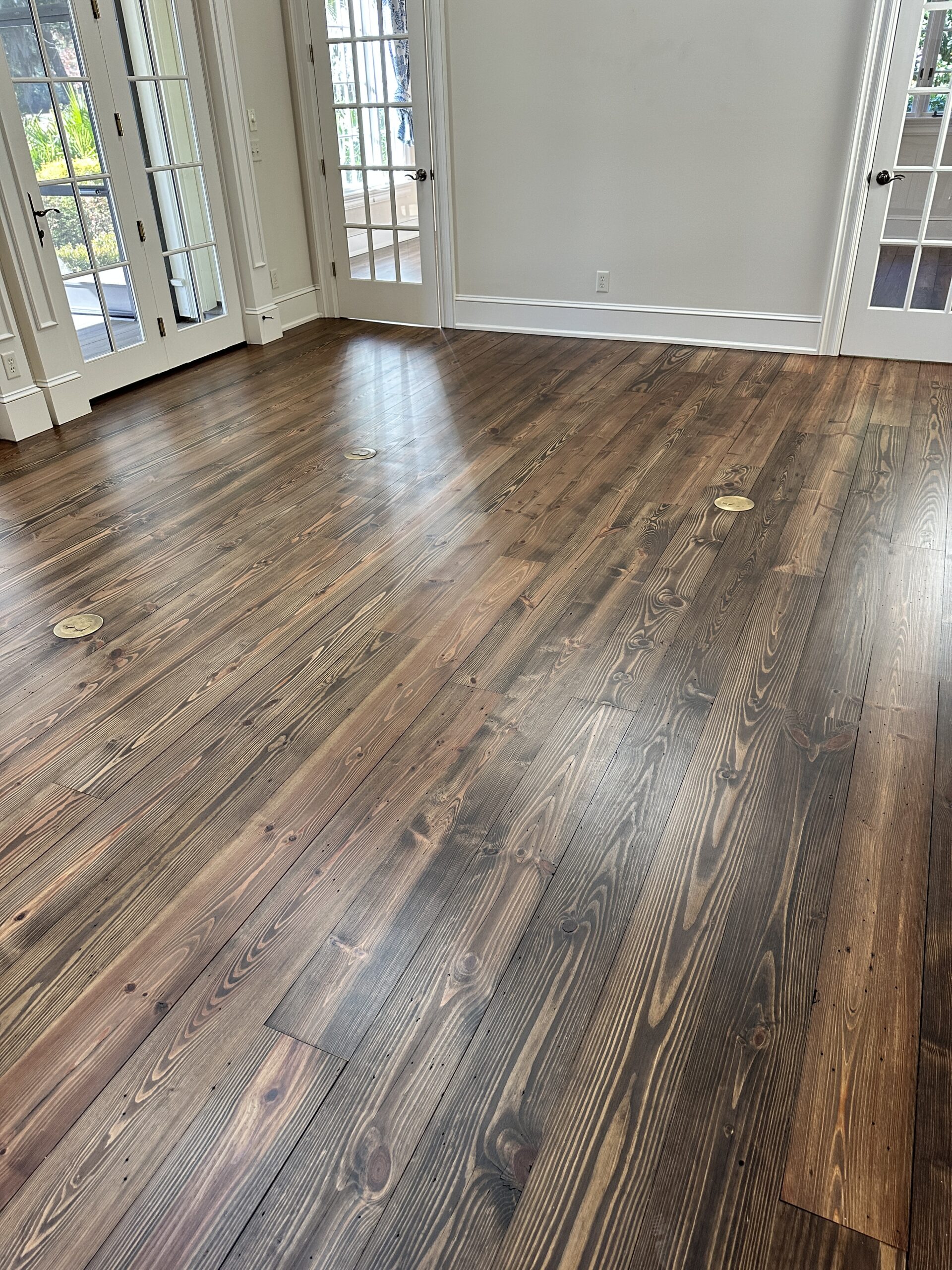
Hardwood flooring remains one of the strongest resale investments because buyers consistently value natural material and timeless character.

Benefits include:

  • Strong long-term market appeal
  • Ability to refinish over time
  • Natural warmth and variation
  • High-end visual impression

However, hardwood requires proper care and may not always be ideal for every room depending on moisture exposure.

Engineered Hardwood

Engineered hardwood offers many of the same visual benefits while improving dimensional stability in humid environments.

This makes it especially practical in coastal climates where seasonal movement matters.

Luxury Vinyl Plank

Luxury vinyl plank has become increasingly popular because it offers:

  • Water resistance
  • Excellent durability
  • Realistic wood visuals
  • Lower maintenance

For many homeowners preparing for resale, this option offers excellent value while still appealing to modern buyers.

Where Carpet Still Makes Sense

Carpet still has advantages in certain parts of the home, especially bedrooms where softness and warmth remain desirable.

Carpet can still work well in:

  • Bedrooms
  • Bonus rooms
  • Secondary upstairs spaces

Buyers often appreciate carpet in bedrooms because it creates comfort underfoot and helps soften sound.

However, carpet tends to have shorter visual longevity in resale situations because stains, wear patterns, and aging can make a home feel older faster than hard flooring.

Why Buyers Often View Carpet as a Future Replacement

One challenge with carpet is that buyers often immediately wonder how old it is and whether they will need to replace it soon.

Even well-maintained carpet can create hesitation if:

  • It shows traffic wear
  • It has dated color tones
  • It carries odor
  • It interrupts visual flow between rooms

This is why many sellers today replace older carpet before listing a home.

The Best Resale Strategy: Use Flooring Intentionally

The strongest resale results often come from mixing materials thoughtfully.

A practical strategy often looks like:

  • Hard flooring in main living areas
  • Hard flooring in kitchens and bathrooms
  • Carpet reserved for bedrooms when comfort is a priority

This gives buyers both visual appeal and comfort without sacrificing overall marketability.

What We Recommend at Nix Cabinetry & Tile

At Nix Cabinetry & Tile, we always encourage homeowners to think beyond trends and choose flooring that performs well for daily life while still supporting future resale.

Because we offer trusted brands such as Norwood Hill along with other dependable flooring collections, our team helps clients compare materials based on durability, installation quality, and long-term value.

Just as importantly, our trained in-house installation team ensures every floor meets the Nix standard from start to finish, because even the right material performs best when installed correctly.

If you are weighing carpet versus hard flooring for your own home, visiting our showroom allows you to compare textures, finishes, and performance side by side before making a decision.

Why Purchasing Tile, Cabinets & Flooring from One Showroom Is the Smarter Choice

When planning a home renovation, most homeowners focus on the exciting parts first. This includes choosing beautiful cabinetry, selecting the perfect tile, or finding flooring that ties everything together. However, one decision that often gets overlooked is where those materials are sourced.

Many people assume visiting multiple stores will give them more options or better pricing. In reality, working with one full-service showroom for tile, cabinets, and flooring can make the entire renovation process smoother, more cohesive, and far less stressful.

At Nix Cabinetry & Tile, we regularly help homeowners simplify their projects by bringing all the key design elements together under one roof. Here’s why that approach often leads to better results.


1. A Cohesive Design From the Start

One of the biggest challenges homeowners face when shopping at multiple stores is keeping the design cohesive.

For example, you might choose cabinets from one location, tile from another, and flooring somewhere else entirely. Without seeing everything together in one place, it becomes difficult to ensure the colors, textures, and finishes truly complement one another.

In a full-service showroom:

  • Designers can place flooring, cabinet finishes, and tile samples side by side
  • You can see how materials interact with different lighting
  • Adjustments can be made instantly to maintain a balanced design

This approach ensures your kitchen, bathroom, or entire home feels intentional and professionally curated, rather than pieced together from separate decisions.


2. A Simpler, Less Stressful Renovation Process

Renovations already involve many moving parts… contractors, timelines, budgets, and material deliveries. When products come from multiple stores, the complexity multiplies.

Working with one showroom simplifies everything.

Instead of coordinating with several vendors, you have one team guiding the process. This means:

  • One point of contact for questions
  • Coordinated product ordering
  • Better communication between design and installation

At Nix Cabinetry & Tile, our design team and in-house installation professionals work together to ensure every material, from cabinetry to flooring, is selected with installation and long-term performance in mind.


3. Better Material Compatibility

Another advantage of purchasing from one showroom is ensuring materials work well together functionally, not just visually.

For instance:

  • Some flooring products perform better in humid environments
  • Certain tile types pair better with specific substrates
  • Cabinet finishes may complement particular flooring tones

When selections are made in isolation, these considerations can be overlooked. However, a knowledgeable showroom team can guide you toward combinations that are both beautiful and practical.


4. More Efficient Project Timelines

Buying from several stores can create unexpected delays.

Different suppliers often have:

  • Separate lead times
  • Different shipping schedules
  • Uncoordinated deliveries

This can slow down your project if one material arrives weeks after another.

By sourcing tile, cabinets, and flooring from the same showroom, orders can be planned together, helping installations flow smoothly from one phase to the next.


5. Higher Confidence in Product Quality

A reputable showroom carefully selects the brands it carries. Instead of overwhelming homeowners with endless options of varying quality, the focus is placed on trusted manufacturers that perform well over time.

For example, at Nix Cabinetry & Tile we partner with brands that share our commitment to craftsmanship and reliability. These brands include Beckham Brothers, Norwood Hill, RiverRun, Brighton, and Crystal. Whether it’s cabinetry built with long-standing woodworking traditions or flooring collections designed for everyday durability, every product we offer is chosen with long-term performance in mind.

This means homeowners can shop confidently knowing each option has already been professionally vetted for quality and durability.


6. A More Personalized Design Experience

Finally, working with one showroom creates a far more personalized experience.

Instead of jumping between stores and explaining your vision repeatedly, a single design team can truly understand:

  • Your style preferences
  • Your budget priorities
  • How you use your space

Over time, this collaboration leads to better recommendations and smarter design decisions.

The result is a home that not only looks beautiful but also functions perfectly for your lifestyle.


The Advantage of a Full-Service Showroom

Choosing tile, cabinetry, and flooring from one showroom isn’t just about convenience. It’s about creating a renovation experience that is more organized, more cohesive, and ultimately more successful.

When design guidance, product selection, and installation expertise all work together, the entire process becomes more efficient and enjoyable.

If you’re planning a kitchen, bathroom, or full-home renovation, visiting a full-service showroom like Nix Cabinetry & Tile allows you to explore cabinetry, tile, and flooring options side by side while working with a team dedicated to helping your project come together seamlessly.

Stop by our showroom to see the collections we offer and learn more about the full-service design and installation solutions available to help bring your vision to life.

Hardwood vs. LVP vs. Laminate: Which Should You Choose?

When you’re choosing new flooring, it’s natural to focus on color first. After all, that’s what you see every day. Light or dark? Wide plank or narrow? Matte or satin?

But at Nix Cabinetry & Tile, we always walk our clients through something more important first: How will this floor actually perform in your home?

Especially here in the Lowcountry, humidity, sand, pets, kids, and everyday traffic all play a significant role in what will truly last over time. For that reason, choosing the right material matters just as much as choosing the right look.

Additionally, we believe the quality of the brand behind the product is just as important as the product category itself. That’s why we proudly offer collections from trusted manufacturers like Norwood Hill, along with other brands that honor craftsmanship, prioritize structural integrity, and provide dependable materials we can confidently stand behind.

With that in mind, here’s our professional breakdown of Hardwood vs. LVP vs. Laminate and how we help our clients choose the right fit.


Hardwood Flooring: Timeless, Natural, and Investment-Worthy

To begin, hardwood is the gold standard for a reason. Nothing fully replicates the warmth and authenticity of real wood.

What It Is
  • Solid Hardwood: Milled from a single piece of wood.
  • Engineered Hardwood: Real wood veneer on top with a layered core for added stability (great for our coastal climate).
Why We Recommend It
  • Adds long-term value to your home
  • Can be refinished
  • Timeless aesthetic that never goes out of style
  • Ideal for open-concept living areas
What to Consider
  • Not waterproof
  • Sensitive to humidity
  • Higher initial investment

Best For: Living rooms, bedrooms, dining areas, and homeowners focused on long-term resale value.


Luxury Vinyl Plank (LVP): Durable, Waterproof, and Low-Maintenance

In contrast, LVP has become one of our most requested flooring options, especially for busy households and moisture-prone areas.

While it offers the wood look people love, it also provides durability that traditional hardwood simply can’t match in wet environments.

The 3 Types of LVP Core

Not all LVP is created equal. The core makes a major difference in performance.

1. WPC (Wood Plastic Composite)
  • Slightly softer and more cushioned underfoot
  • Excellent sound absorption
  • Comfortable for residential settings
  • Great for upstairs spaces
2. SPC (Stone Plastic Composite)
  • Extremely dense and rigid
  • Superior dent resistance
  • Handles heavy traffic well
  • Ideal for pets, kids, and high-use areas
3. Rigid Core (General Category)
  • Multi-layer construction with a solid composite core
  • Highly stable
  • Minimal expansion and contraction
  • Performs well with temperature fluctuations
Why We Recommend It
  • 100% waterproof
  • Scratch resistant
  • Great for kitchens, bathrooms, laundry rooms
  • Lower maintenance than hardwood
What to Consider
  • Cannot be refinished
  • Does not add the same resale value as real hardwood
  • Quality varies

Because of this, at Nix Cabinetry & Tile, we carefully curate our LVP lines to ensure durability, realistic visuals, and long-term performance.

Best For: Active families, pet owners, and homes where moisture is a daily reality.


Laminate Flooring: Budget-Friendly and Stylish

Meanwhile, laminate has evolved considerably in recent years and can be a smart solution in the right environment.

What It Is

Laminate features a high-density fiberboard (HDF) core with a photographic image layer and protective wear layer.

Why Clients Choose It
  • Affordable option
  • Scratch resistant
  • Realistic wood visuals
  • Easy installation
What to Consider
  • Not fully waterproof (unless labeled waterproof)
  • Can swell if exposed to standing water
  • Cannot be refinished

Best For: Secondary living spaces, rentals, budget-conscious remodels.


What We Tell Our Clients at Nix Cabinetry & Tile

Ultimately, there is no universal “best” flooring, only what’s best for your home and lifestyle.

When you visit our showroom, we don’t just show you samples. Instead, we walk you through:

  • How the product will perform in Lowcountry humidity
  • How it holds up to pets and sand
  • How it pairs with your cabinetry and tile selections
  • What makes sense for long-term value

Additionally, because we have an in-house trained installation team, we ensure the product you choose is installed correctly for maximum longevity and performance.


Final Thoughts

If resale value and timeless beauty are your priority choose Hardwood. If durability and waterproof protection matter most, LVP is likely the better fit. And if you’re looking for a cost-effective refresh, laminate could make sense.

Still unsure which direction makes the most sense for your home?

When you’re ready to see the difference in person, we invite you to visit our showroom to explore samples side by side and learn more about our full-service flooring installation services. From product selection to installation, we’re here to ensure your flooring not only looks beautiful, but performs beautifully for years to come. The right flooring decision isn’t just about style… it’s about making a smart investment in how your home lives every single day.

3-Piece Conventional Drain vs. Two-Piece Bonding Flange: What’s the Difference in Shower Waterproofing?

When planning a bathroom remodel, most homeowners focus on tile, fixtures, and layout. However, what really determines the longevity of your shower isn’t what you see, rather, it’s the waterproofing system underneath.

At Nix Cabinetry & Tile, we prioritize long-term performance over shortcuts. For that reason, our in-house trained installation team exclusively uses two-piece bonding flange drain systems with surface-applied waterproofing membranes in our shower builds. In fact, we have made this decision intentionally so that we can help ensure protection of your home from moisture damage, mold, and costly repairs down the road.


What Is a 3-Piece Conventional Shower Drain?

Traditionally, a 3-piece conventional drain is part of a traditional shower waterproofing system that has been used for decades. Because of its long history, many installers are more familiar with this method, and therefore, it continues to appear in many bathroom installations today.

How It Works

This system typically includes:

  • A pre-sloped mortar bed
  • A PVC or CPE shower pan liner
  • A clamping drain with three components (bottom flange, clamping ring, threaded strainer)
  • Cement board walls
  • Tile installed over a mortar bed

Here’s the key: Tile and grout are not waterproof. Therefore, in a conventional system, water penetrates through the tile and grout and saturates the mortar bed beneath. From there, the moisture eventually reaches the liner and travels to the drain’s weep holes, where it escapes. Because this process happens gradually over time, the entire system depends heavily on precise installation in order to function correctly.

Pros of a 3-Piece Drain System
  • Long history of use
  • Lower upfront material cost
  • Familiar to many installers
Potential Drawbacks
  • The mortar bed can remain damp
  • Weep holes must remain clear to function properly
  • Slower drying times
  • Greater risk of mold or odor if installation isn’t precise

For this reason, this method is often referred to as a water management system and it assumes water will pass through and focuses on directing it safely away.


What Is a Two-Piece Bonding Flange Drain?

By contrast, a two-piece bonding flange drain is used in modern, surface-applied waterproofing systems. These systems are commonly paired with manufacturers like Schluter Systems, where the waterproof membrane bonds directly to the drain flange.

How It Works
  • A sloped substrate is installed
  • A waterproof membrane is applied directly on the surface
  • The membrane bonds to the drain flange
  • Tile is installed on top

As a result, the waterproof layer sits directly beneath the tile, preventing water from ever saturating the mortar bed.

Advantages of a Bonding Flange System
  • Waterproofing at the surface level
  • No weep holes required
  • Mortar bed stays dry
  • Faster drying time
  • Reduced mold risk
  • Cleaner, more controlled installation

This is known as a surface waterproofing system and it stops water before it has a chance to penetrate deeply into the shower assembly. Therefore, the system remains cleaner, dries faster, and performs more predictably over time.


The Core Difference: Surface Waterproofing vs. Water Management

The biggest distinction between a 3-piece conventional drain and a two-piece bonding flange drain is the location of the waterproofing layer.

3-Piece Conventional DrainTwo-Piece Bonding Flange
Waterproof liner below mortar bedWaterproof membrane directly under tile
Mortar bed gets wetMortar bed stays dry
Relies on weep holesNo weep holes needed
Traditional systemModern surface system

In simple terms: A 3-piece drain manages water after it passes through the tile. A bonding flange drain prevents water from penetrating deeply in the first place. That difference significantly impacts shower longevity, hygiene, and performance.


Why Waterproofing Matters in Your Bathroom Remodel

In coastal areas like the Lowcountry, humidity is already high. As a result, adding trapped moisture behind tile can increase the risk of mold growth and structural damage if the system isn’t installed correctly.

At Nix Cabinetry & Tile, we prioritize long-term performance over shortcuts. Our in-house trained installation team understands the technical details of both conventional and modern waterproofing systems, ensuring your shower is built to last.

Because we handle both the design and installation, we can guide you through:

  • Drain selection
  • Waterproofing system options
  • Tile assembly compatibility
  • Long-term maintenance considerations

In other words, we don’t just design beautiful bathrooms, we build systems that perform.


Which Shower Drain System Is Right for You?

Both systems can work when installed correctly. However, many homeowners today prefer bonding flange surface waterproofing systems for their cleaner drying performance and reduced risk of long-term moisture issues.

Therefore, if you’re investing in a bathroom remodel, it’s worth asking yourself:

Would you rather manage water after it passes through your tile, or prevent it from getting deep into your shower system at all?


Planning a Bathroom Remodel?

If you’re considering a new shower installation or full bathroom renovation, stop by our showroom or contact Nix Cabinetry & Tile to explore your options. Our team will walk you through the differences and help you choose a system that protects your investment for years to come.

Because what’s behind your tile matters just as much as what’s on it.

Conventional Shower Waterproofing vs. Schluter Systems: What’s the Difference?

When planning a bathroom remodel, most homeowners focus on tile, fixtures, and layout. However, what truly determines the longevity of your shower isn’t what you see, it’s what’s behind the tile.

At Nix Cabinetry & Tile, one of the most important conversations we have with clients is about waterproofing. After all, choosing the right waterproofing system plays a major role in how well your shower performs over time. For that reason, understanding the difference between conventional shower waterproofing and a Schluter system can help you make a smarter, longer-lasting investment in your home.

So, let’s break it down.


What Is Conventional Shower Waterproofing?

Traditional shower waterproofing has been used for decades. Essentially, it relies on a layered system beneath the tile to manage water as it moves through the assembly. Because this method has been standard for many years, it remains familiar to many installers today.

How It Works:
  • A pre-sloped mortar bed is installed
  • A PVC or CPE liner is placed underneath
  • Cement board walls are installed
  • Tile is set over the mortar bed
  • Water that passes through the grout and tile travels down to the liner
  • Weep holes in the drain allow moisture to escape
The Important Thing to Know:

Tile and grout are not waterproof. In fact, in a conventional system, water penetrates through the tile layer and saturates the mortar bed before eventually reaching the liner.

Pros:
  • Lower upfront material cost
  • Widely recognized and used method
  • Familiar to many installers
Cons:
  • Mortar bed can remain damp for extended periods
  • Greater potential for mold or mildew odors if moisture lingers
  • Heavier system overall
  • Highly dependent on precise installation (improper slope or clogged weep holes can cause failure)

When installed correctly, a traditional system can perform well. However, it requires careful craftsmanship and leaves more room for long-term moisture retention.


What Is a Schluter Shower System?

A Schluter system uses a modern, surface-applied waterproofing method. Instead of managing water beneath the mortar bed, it stops water immediately under the tile layer.

At Nix Cabinetry & Tile, we often recommend Schluter systems for homeowners who want superior moisture protection and long-term performance.

How It Works:
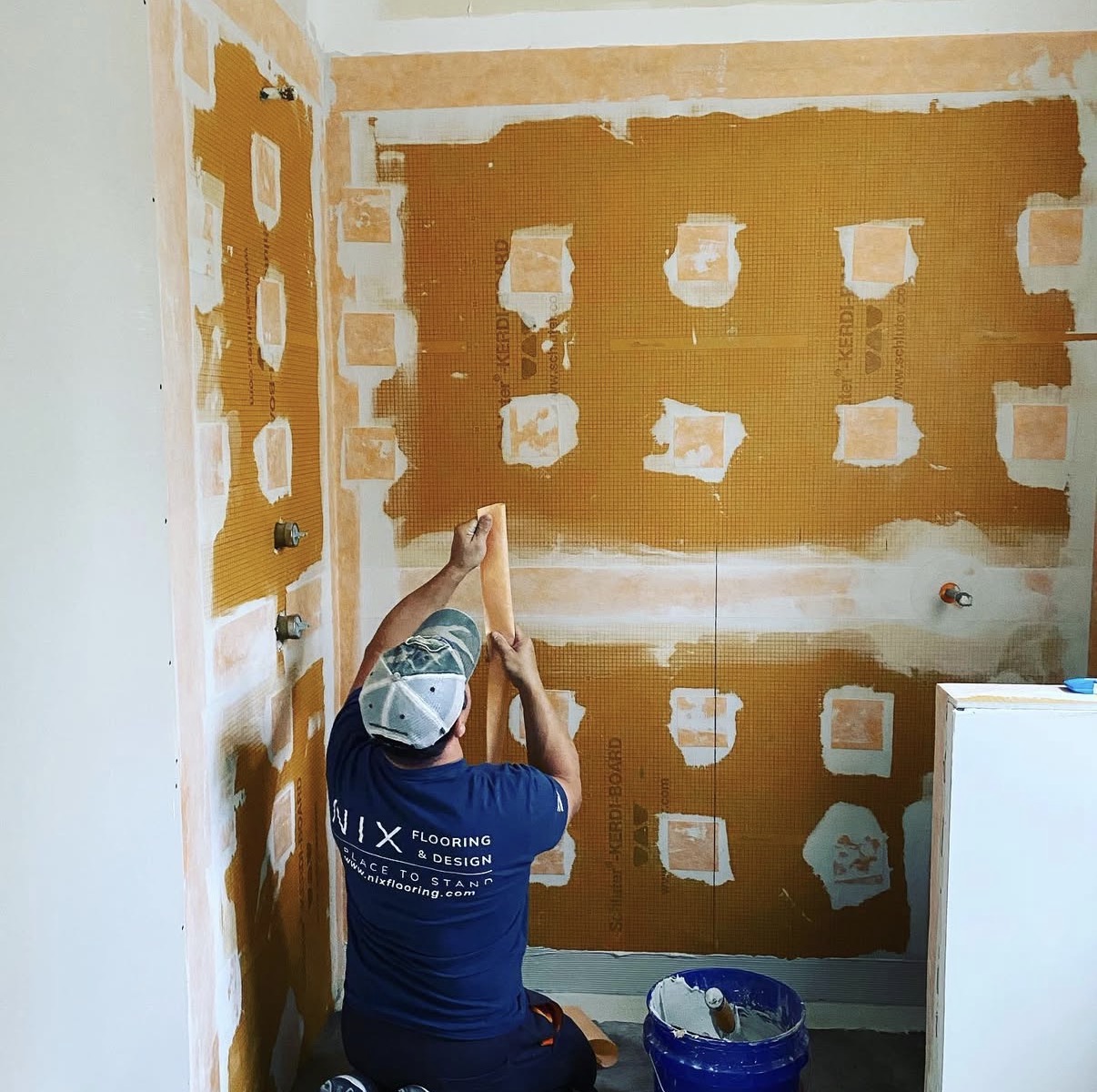
  • A waterproof membrane (such as Kerdi) is installed directly beneath the tile
  • Seams are sealed with waterproof banding
  • An integrated bonding flange drain connects directly to the membrane
  • Pre-sloped shower trays can be used for precision installation
The Key Difference:

Water never reaches a saturated mortar bed. Instead, it is stopped at the surface level, directly beneath the tile.

Pros:
  • Faster drying time
  • Reduced risk of mold or mildew
  • Lighter-weight system
  • Integrated, engineered components
  • More predictable long-term performance
Considerations:
  • Higher material investment
  • Requires trained, knowledgeable installers

Side-by-Side Comparison

Conventional WaterproofingSchluter System
Water passes through tile into mortar bedWater is stopped directly under tile
Mortar bed can stay dampMortar bed remains dry
Relies on weep holes for drainageIntegrated bonding flange drain
Traditional layered systemModern engineered waterproof system
More room for installer errorControlled, system-based installation

Why Waterproofing Matters in Humid Climates

In coastal and humid environments like ours, moisture control is especially important. Because of elevated humidity levels, showers that retain internal moisture may take significantly longer to dry.

Over time, this can increase the likelihood of mold growth, odor, or premature material deterioration. Therefore, choosing a system that minimizes moisture retention can make a noticeable difference in long-term performance.

Surface-applied waterproofing systems like Schluter are specifically designed to dry faster and manage moisture more efficiently, making them a smart investment for many homeowners.


The Nix Cabinetry & Tile Difference

Waterproofing systems are only as good as the team installing them.

At Nix Cabinetry & Tile, our in-house trained installers specialize in precision shower construction. We focus on:

  • Proper slope and drainage
  • Seam integrity
  • Waterproof membrane continuity
  • Detailed niche and corner sealing
  • Long-term performance, not shortcuts

We don’t just install tile, we build showers designed to perform beautifully for years to come.


Which System Is Right for You?

Both conventional waterproofing and Schluter systems can work when installed properly. The right choice depends on your goals, budget, and long-term expectations for your bathroom.

If you’re investing in a primary bathroom remodel and want added moisture protection, faster drying performance, and a fully integrated system, Schluter often provides greater peace of mind.

To explore our full range of bathroom remodeling services, visit our services page how Nix Cabinetry & Tile can bring your vision to life.

Planning a bathroom renovation?
Visit our showroom or contact Nix Cabinetry & Tile to discuss your project with our design and installation team.

RTA vs. Semi-Custom vs. Fully Custom Cabinetry: What’s the Difference?

RTA vs. Semi-Custom vs. Fully Custom

When planning a kitchen, bathroom, or whole-home remodel, cabinetry plays a major role in both the look and function of your space. At Nix Cabinetry & Tile, we guide homeowners through cabinet selections every day, and one of the most common questions we hear is:

What’s the difference between RTA, semi-custom, and fully custom cabinets?

While these options may seem similar on the surface, they vary significantly in quality, flexibility, price point, and installation requirements. Understanding these differences helps you make a confident investment in your home.


Ready-to-Assemble (RTA) Cabinets

Best for: Budget-conscious projects, rentals, or quick updates

RTA (Ready-to-Assemble) cabinets are manufactured in standard sizes and shipped flat for on-site assembly. They are often chosen for their affordability and faster availability.

Pros:
  • Lowest upfront cost
  • Shorter lead times
  • Suitable for simple layouts
Cons:
  • Limited sizing, finishes, and styles
  • Lower-grade materials and hardware
  • Less durable long-term
  • Final quality depends heavily on assembly and installation

While RTA cabinetry can work well for short-term solutions, it typically lacks the refined construction and longevity homeowners expect in a primary kitchen or bath.


Semi-Custom Cabinets

Best for: Homeowners who want flexibility, quality, and value

Semi-custom cabinetry is one of the most popular choices we offer at Nix Cabinetry & Tile. While Crystal and Brighton provide full custom options, RiverRun Cabinetry offers an ideal balance of high-quality, ready-made options with flexible customization. It allows us to meet diverse client budgets and timelines while still delivering beautiful, durable cabinetry. These cabinets are built using standard box sizes but allow for customizations, giving you a tailored look without the price tag of full custom.

Pros:
  • More flexibility in sizes, finishes, and door styles
  • Higher-quality materials and construction
  • Decorative upgrades and storage solutions available
  • Works well for most kitchens and bathrooms
Cons:
  • Longer lead times than RTA
  • Some limitations compared to full custom

Semi-custom cabinetry is ideal for homeowners who want a polished, intentional design while staying within a realistic budget. With expert planning, these cabinets can look just as elevated as custom.


Fully Custom Cabinets

Best for: Luxury homes, unique layouts, and exact design visions

Fully custom cabinetry is built from the ground up, designed specifically for your space, your lifestyle, and your preferences. Every detail is customizable, from dimensions and materials to finishes and interior organization. That’s why we choose to work with trusted partners such as Brighton and Crystal, brands that share our commitment to craftsmanship, customization, and precision, ensuring every custom cabinet is designed with intention and built to last.

Pros:
  • Unlimited design flexibility
  • Built to the exact dimensions of your space
  • Premium craftsmanship and materials
  • Fully personalized storage solutions
  • Timeless, high-end result
Cons:
  • Highest investment
  • Longer production timelines

Custom cabinetry is the right choice when you want no compromises, whether that means maximizing storage, accommodating architectural details, or achieving a one-of-a-kind design.


The Nix Difference: In-House Trained Installation

No matter which cabinet type you choose, installation is just as important as the cabinetry itself. Even the highest-quality cabinets can fall short if they’re not installed with precision.

What sets Nix Cabinetry & Tile apart is our in-house trained installation team. Our installers work closely with our designers from start to finish, ensuring:

  • Precise measurements
  • Even door gaps and reveals
  • Proper alignment and functionality
  • A clean, polished finished look

Because installation is handled internally (not outsourced), we maintain complete quality control and consistency on every project.


Which Cabinet Option Is Right for Your Home?

At Nix Cabinetry & Tile, we don’t believe in one-size-fits-all solutions. Your ideal cabinetry depends on your space, budget, timeline, and long-term goals:

  • RTA cabinets work best for quick, budget-driven projects
  • Semi-custom cabinets offer flexibility and value for most remodels
  • Fully custom cabinets deliver unmatched personalization and craftsmanship

Our design team will walk you through each option, helping you understand what works best for your home and lifestyle. Take a look at what we have to offer and come in with questions so we can help determine the right selection for your home.


Final Thoughts

Cabinetry is a long-term investment that shapes how your home looks and functions every day. By understanding the differences between RTA, semi-custom, and fully custom cabinets (and working with a team that prioritizes both design and installation) you can move forward with confidence.

Stop by the Nix Cabinetry & Tile showroom to explore cabinet styles in person and discover how thoughtful design, premium materials, and expert installation come together to create spaces that last.

Full-Overlay vs. Frameless vs. Inset Cabinetry: What’s the Difference?

At Nix Flooring & Design, we believe great cabinetry isn’t just about choosing the right style, rather, it’s about expert design and expert installation. That’s why we offer exclusive cabinet lines, including RiverRun Cabinetry, Brighton Cabinetry, andCrystal Cabinetry, Understanding the differences helps you make confident decisions and ensures your finished space looks as good in real life as it does on paper.

Full-Overlay Cabinetry

To begin with, full overlay cabinetry features doors and drawer fronts that cover most (or all) of the cabinet face frame, leaving minimal space between doors. As a result, this creates a clean, cohesive appearance that works beautifully across many design styles.

Why homeowners love it:
  • Sleek, modern look with fewer visible seams
  • Works well in transitional and contemporary homes
  • More forgiving than inset cabinetry while still feeling refined
  • Typically more budget-friendly than inset options
Why installation matters:

With full overlay cabinets, even gaps and consistent alignment are what separate a good install from a great one. Because of that, precision during installation becomes just as important as the cabinet selection itself. Since our installers are trained in-house, our team knows how to fine-tune spacing and door alignment so your cabinets feel intentional, not rushed.

Best for: Homeowners who want a polished, modern look without stepping into fully custom pricing.

Frameless Cabinetry

Frameless cabinetry eliminates the face frame entirely, allowing doors and drawers to attach directly to the cabinet box. This construction provides wider openings and maximizes usable storage.

Why homeowners love it:
  • Maximum drawer and storage space
  • Clean, minimalist aesthetic
  • Excellent accessibility and function
  • Ideal for modern and contemporary designs
Why installation matters:

Frameless cabinets demand extreme precision. Without a face frame to hide inconsistencies, even minor misalignment is noticeable. Therefore, installation accuracy is critical. Our in-house installers are experienced with frameless systems and understand how to achieve perfect reveals, smooth drawer function, and long-term durability.

Best for: Clients who value function and efficiency.

Inset Cabinetry

Inset cabinetry features doors and drawers set inside the cabinet frame, sitting perfectly flush with the cabinet face. Because of its construction and detail requirements, this style is considered the most craftsmanship-driven option available.

Why homeowners love it:
  • Timeless, furniture-quality appearance
  • Exceptional attention to detail
  • Ideal for classic, farmhouse, and luxury homes
  • Adds architectural character and charm
Why installation matters:

Inset cabinetry leaves no room for error. In other words, gaps must be perfectly even, doors must sit flush, and allowances must be made for natural wood movement. This is where our in-house installation team truly shines—our installers are trained to deliver precise alignment, consistent spacing, and long-lasting performance that inset cabinetry requires.

Best for: Homeowners seeking a custom, heirloom-quality finish with timeless appeal.

The Nix Flooring & Design Difference

Choosing the right cabinet style is only part of the equation. At Nix Flooring & Design, we combine thoughtful design, quality materials, and in-house trained installers to ensure your cabinetry is installed with precision, down to the smallest gap and alignment detail.

Additionally, because our installation team is part of our company (not outsourced), designers and installers work together from start to finish. The result? Cabinets that look intentional, function smoothly, and stand the test of time.

Ready to start designing your space? Contact Nix Flooring & Design today to explore cabinetry options that fit your style, your home, and your lifestyle or visit our cabinetry services page to discover what our team has to offer.

Curbless Showers – Rapid Recess Kit

Chosen for their sleek look and effortless accessibility, curbless showers are quickly becoming a top upgrade in bathroom renovations.

  • Faster installation 
  • Supports popular drain layouts
  • Great for accessibility upgrades

Transforming Bathrooms with the Rapid Recess Curbless Shower Kit

Continue reading “Curbless Showers – Rapid Recess Kit”