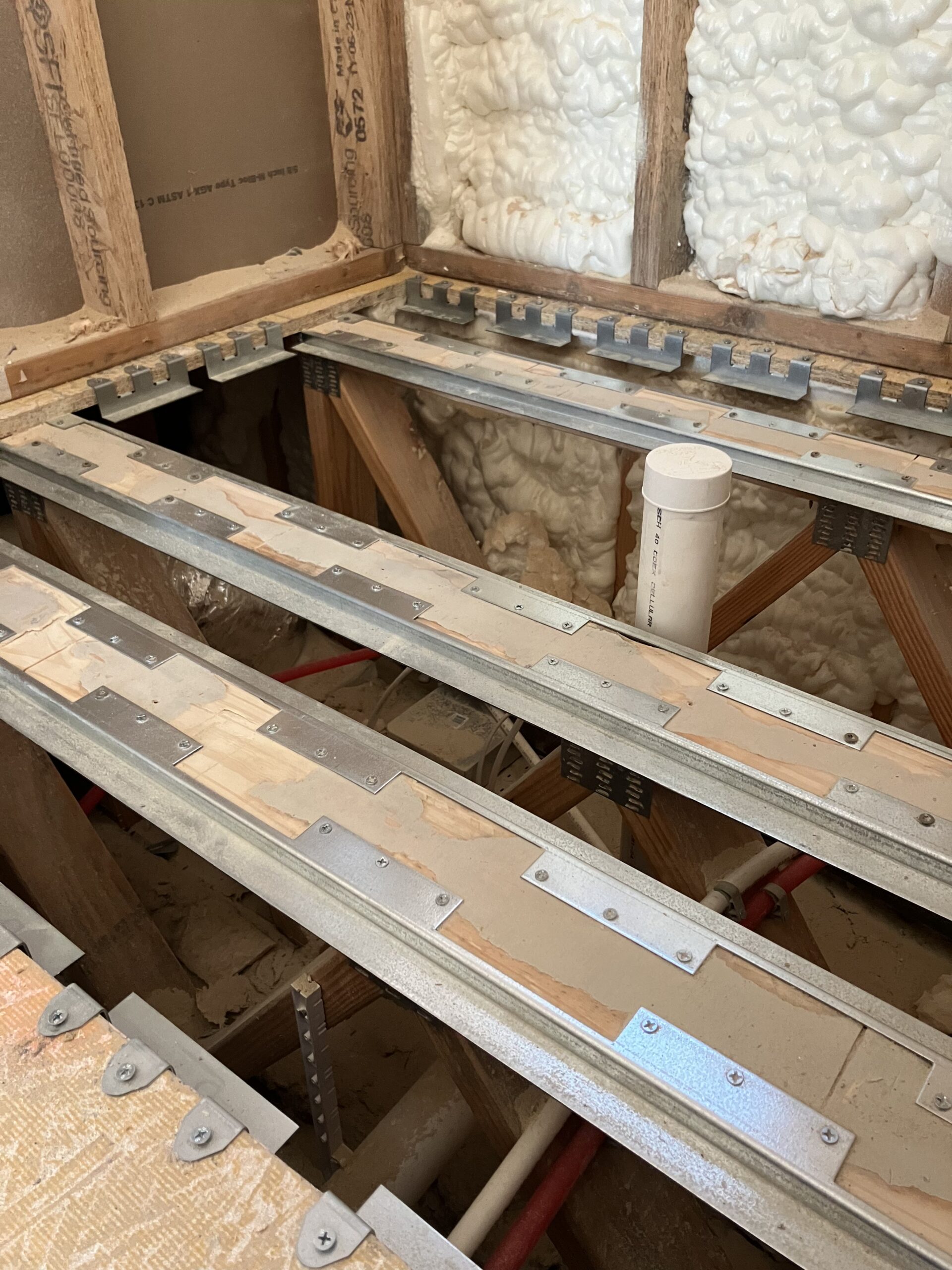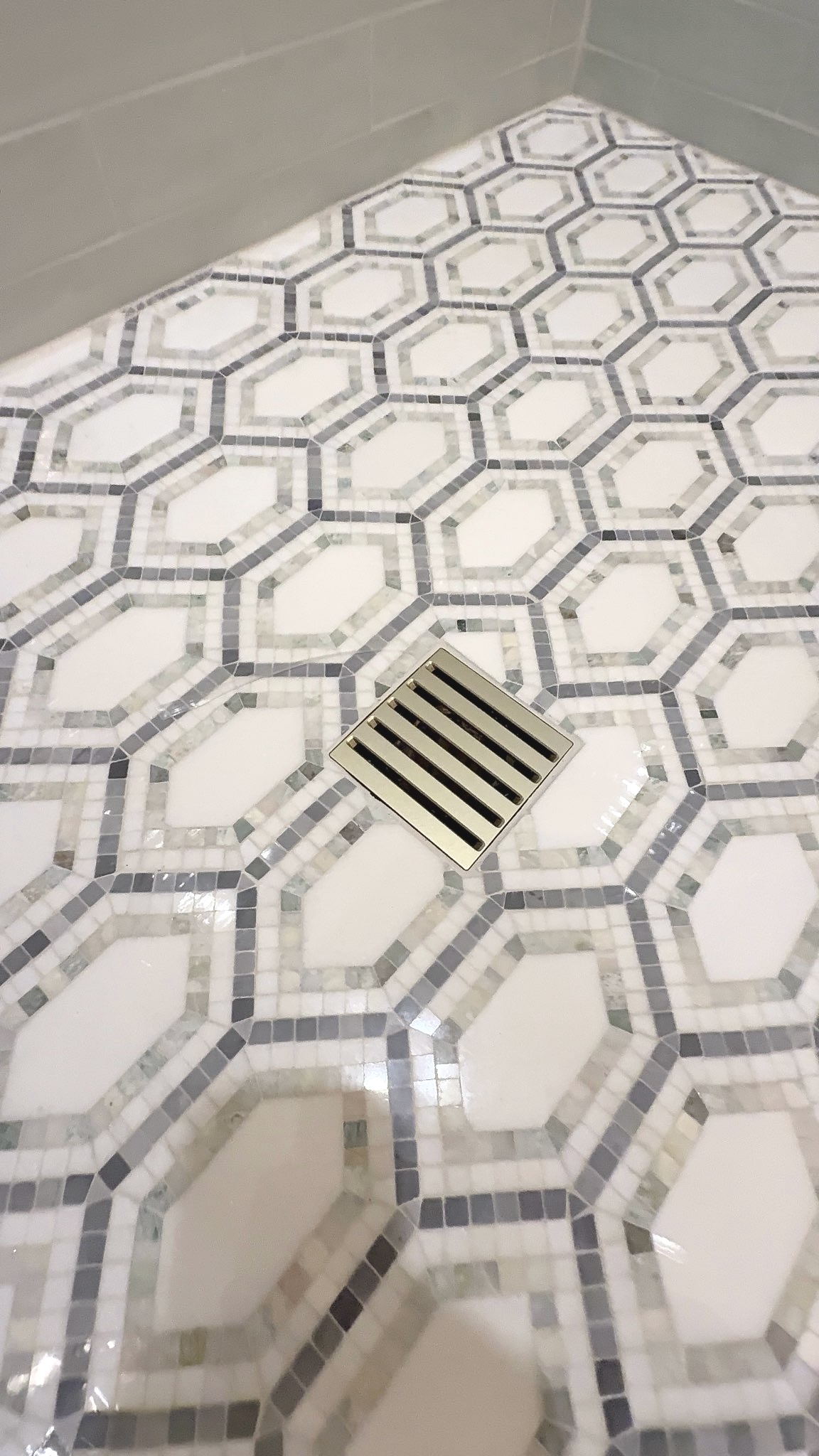
3-Piece Conventional Drain vs. Two-Piece Bonding Flange: What’s the Difference in Shower Waterproofing?

When planning a bathroom remodel, most homeowners focus on tile, fixtures, and layout. However, what really determines the longevity of your shower isn’t what you see, rather, it’s the waterproofing system underneath.

At Nix Cabinetry & Tile, we prioritize long-term performance over shortcuts. In fact, our in-house trained installation team exclusively uses two-piece bonding flange drain systems with surface-applied waterproofing membranes in our shower builds. We have made this decision intentionally so that we can help ensure protection of your home from moisture damage, mold, and costly repairs down the road.


What Is a 3-Piece Conventional Shower Drain?

Traditionally, a 3-piece conventional drain is part of a traditional shower waterproofing system that has been used for decades. Because of its long history, many installers are more familiar with this method.

How It Works

This system typically includes:

  • A pre-sloped mortar bed
  • A PVC or CPE shower pan liner
  • A clamping drain with three components (bottom flange, clamping ring, threaded strainer)
  • Cement board walls
  • Tile installed over a mortar bed

Here’s the key: Tile and grout are not waterproof. Therefore, in a conventional system, water penetrates through the tile and grout and saturates the mortar bed beneath. From there, the moisture eventually reaches the liner and travels to the drain’s weep holes, where it escapes.

Pros of a 3-Piece Drain System

  • Long history of use
  • Lower upfront material cost
  • Familiar to many installers

Potential Drawbacks

  • The mortar bed can remain damp
  • Weep holes must remain clear to function properly
  • Slower drying times
  • Greater risk of mold or odor if installation isn’t precise

This method is often referred to as a water management system and it assumes water will pass through and focuses on directing it safely away.


What Is a Two-Piece Bonding Flange Drain?

In contrast, a two-piece bonding flange drain is used in modern, surface-applied waterproofing systems. These systems are commonly paired with manufacturers like Schluter Systems, where the waterproof membrane bonds directly to the drain flange.

How It Works

  • A sloped substrate is installed
  • A waterproof membrane is applied directly on the surface
  • The membrane bonds to the drain flange
  • Tile is installed on top

As a result, the waterproof layer sits directly beneath the tile, preventing water from ever saturating the mortar bed.

Advantages of a Bonding Flange System

  • Waterproofing at the surface level
  • No weep holes required
  • Mortar bed stays dry
  • Faster drying time
  • Reduced mold risk
  • Cleaner, more controlled installation

This is known as a surface waterproofing system and it stops water before it has a chance to penetrate deeply into the shower assembly.


The Core Difference: Surface Waterproofing vs. Water Management

The biggest distinction between a 3-piece conventional drain and a two-piece bonding flange drain is the location of the waterproofing layer.

3-Piece Conventional DrainTwo-Piece Bonding Flange
Waterproof liner below mortar bedWaterproof membrane directly under tile
Mortar bed gets wetMortar bed stays dry
Relies on weep holesNo weep holes needed
Traditional systemModern surface system

In simple terms: A 3-piece drain manages water after it passes through the tile. A bonding flange drain prevents water from penetrating deeply in the first place. That difference significantly impacts shower longevity, hygiene, and performance.


Why Waterproofing Matters in Your Bathroom Remodel

In coastal areas like the Lowcountry, humidity is already high. Adding trapped moisture behind tile can increase the risk of mold growth and structural damage if the system isn’t installed correctly.

At Nix Cabinetry & Tile, we prioritize long-term performance over shortcuts. Our in-house trained installation team understands the technical details of both conventional and modern waterproofing systems, ensuring your shower is built to last.

Because we handle both the design and installation, we can guide you through:

  • Drain selection
  • Waterproofing system options
  • Tile assembly compatibility
  • Long-term maintenance considerations

In other words, we don’t just design beautiful bathrooms, we build systems that perform.


Which Shower Drain System Is Right for You?

Both systems can work when installed correctly. However, many homeowners today prefer bonding flange surface waterproofing systems for their cleaner drying performance and reduced risk of long-term moisture issues.

Therefore, if you’re investing in a bathroom remodel, it’s worth asking yourself:

Would you rather manage water after it passes through your tile, or prevent it from getting deep into your shower system at all?


Planning a Bathroom Remodel?

If you’re considering a new shower installation or full bathroom renovation, stop by our showroom or contact Nix Cabinetry & Tile to explore your options. Our team will walk you through the differences and help you choose a system that protects your investment for years to come.

Because what’s behind your tile matters just as much as what’s on it.
Conventional Shower Waterproofing vs. Schluter Systems: What’s the Difference?

When planning a bathroom remodel, most homeowners focus on tile, fixtures, and layout. However, what truly determines the longevity of your shower isn’t what you see, it’s what’s behind the tile.

At Nix Cabinetry & Tile, one of the most important conversations we have with clients is about waterproofing. Understanding the difference between conventional shower waterproofing and a Schluter system can help you make a smarter, longer-lasting investment in your home.

Let’s break it down.


What Is Conventional Shower Waterproofing?

Traditional shower waterproofing has been used for decades. Essentially, it relies on a layered system beneath the tile to manage water.

How It Works:

  • A pre-sloped mortar bed is installed
  • A PVC or CPE liner is placed underneath
  • Cement board walls are installed
  • Tile is set over the mortar bed
  • Water that passes through the grout and tile travels down to the liner
  • Weep holes in the drain allow moisture to escape

The Important Thing to Know:

Tile and grout are not waterproof. In fact, in a conventional system, water penetrates through the tile layer and saturates the mortar bed before eventually reaching the liner.

Pros:

  • Lower upfront material cost
  • Widely recognized and used method
  • Familiar to many installers

Cons:

  • Mortar bed can remain damp for extended periods
  • Greater potential for mold or mildew odors if moisture lingers
  • Heavier system overall
  • Highly dependent on precise installation (improper slope or clogged weep holes can cause failure)

When installed correctly, a traditional system can perform well. However, it requires careful craftsmanship and leaves more room for long-term moisture retention.


What Is a Schluter Shower System?

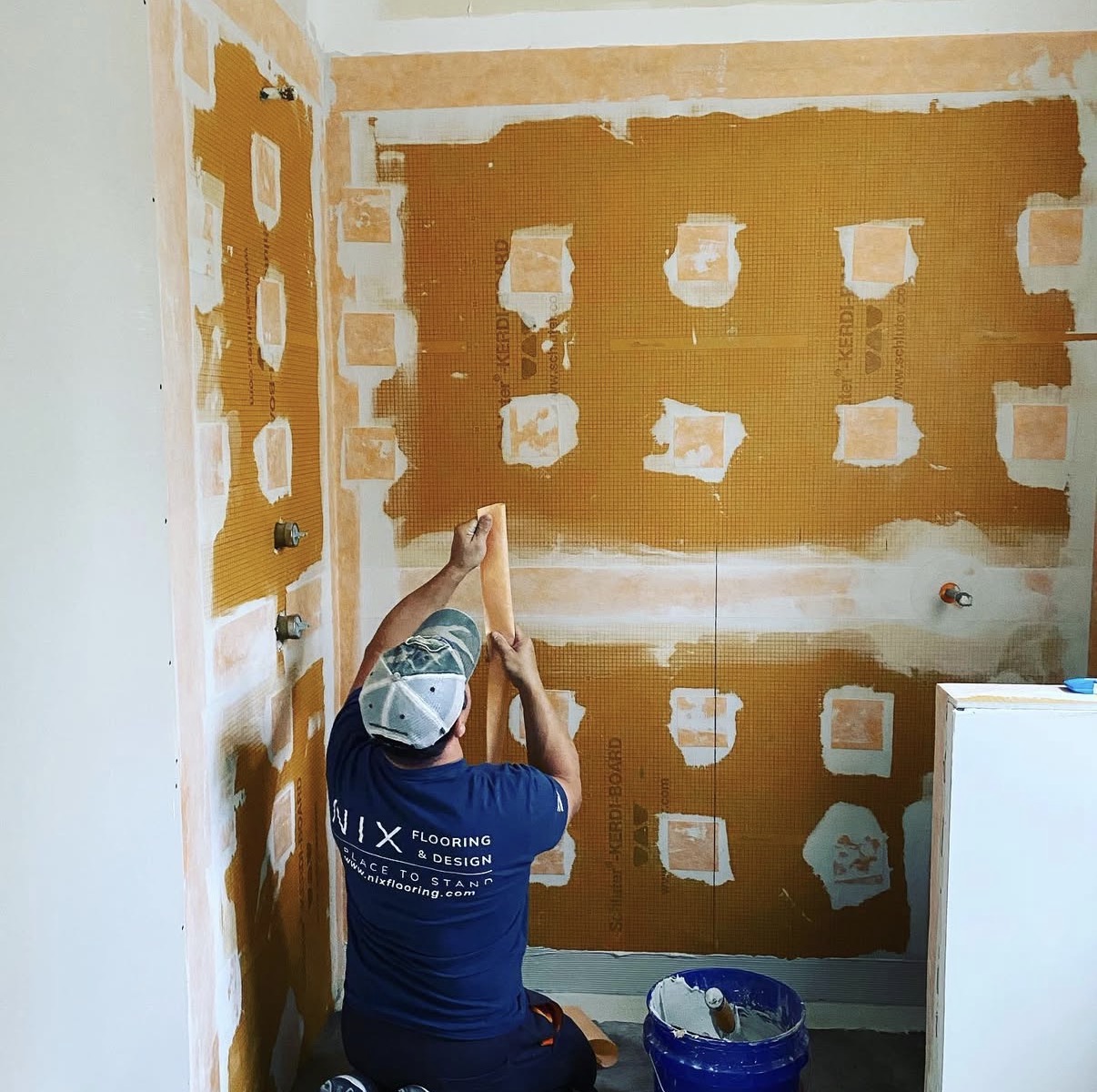
A Schluter system uses a modern, surface-applied waterproofing method. Instead of managing water beneath the mortar bed, it stops water immediately under the tile layer.

At Nix Cabinetry & Tile, we often recommend Schluter systems for homeowners who want superior moisture protection and long-term performance.

How It Works:

  • A waterproof membrane (such as Kerdi) is installed directly beneath the tile
  • Seams are sealed with waterproof banding
  • An integrated bonding flange drain connects directly to the membrane
  • Pre-sloped shower trays can be used for precision installation

The Key Difference:

Water never reaches a saturated mortar bed. Instead, it is stopped at the surface level, directly beneath the tile.

Pros:

  • Faster drying time
  • Reduced risk of mold or mildew
  • Lighter-weight system
  • Integrated, engineered components
  • More predictable long-term performance

Considerations:

  • Higher material investment
  • Requires trained, knowledgeable installers

Side-by-Side Comparison

Conventional WaterproofingSchluter System
Water passes through tile into mortar bedWater is stopped directly under tile
Mortar bed can stay dampMortar bed remains dry
Relies on weep holes for drainageIntegrated bonding flange drain
Traditional layered systemModern engineered waterproof system
More room for installer errorControlled, system-based installation

Why Waterproofing Matters in Humid Climates

In coastal and humid environments like ours, moisture control is especially important. Because of elevated humidity levels, showers that retain internal moisture may take significantly longer to dry.

Over time, this can increase the likelihood of mold growth, odor, or premature material deterioration. Therefore, choosing a system that minimizes moisture retention can make a noticeable difference in long-term performance.

Surface-applied waterproofing systems like Schluter are specifically designed to dry faster and manage moisture more efficiently, making them a smart investment for many homeowners.


The Nix Cabinetry & Tile Difference

Waterproofing systems are only as good as the team installing them.

At Nix Cabinetry & Tile, our in-house trained installers specialize in precision shower construction. We focus on:

  • Proper slope and drainage
  • Seam integrity
  • Waterproof membrane continuity
  • Detailed niche and corner sealing
  • Long-term performance, not shortcuts

We don’t just install tile, we build showers designed to perform beautifully for years to come.


Which System Is Right for You?

Both conventional waterproofing and Schluter systems can work when installed properly. The right choice depends on your goals, budget, and long-term expectations for your bathroom.

If you’re investing in a primary bathroom remodel and want added moisture protection, faster drying performance, and a fully integrated system, Schluter often provides greater peace of mind.

To explore our full range of bathroom remodeling services, visit our services page how Nix Cabinetry & Tile can bring your vision to life.

Planning a bathroom renovation?
Visit our showroom or contact Nix Cabinetry & Tile to discuss your project with our design and installation team.